

If you’ve been scrolling through travel forums or chatting with fellow remote workers lately, you’ve probably stumbled across the word “coliving” more than once. Maybe someone mentioned they’re staying at a coliving space in Mexico City, or a friend raved about finding their tribe at a coliving house in Oaxaca. But what does it actually mean? Is it just a fancy hostel? A commune for laptop workers? Something in between?
We get it — the term can feel a bit buzzy and vague. So let’s break it down in plain language, explain why digital nomads and travelers are increasingly choosing coliving over traditional accommodation, and help you figure out if it might be the right fit for your next adventure.
What Is Coliving, Really?
At its core, coliving is a modern style of shared housing where you get your own private space (usually a bedroom, often with a private bathroom) while sharing thoughtfully designed common areas — kitchens, lounges, gardens, and coworking spaces — with a curated community of like-minded people.
The key word there is curated. Unlike randomly ending up in an apartment with strangers from a listing site, coliving spaces are intentionally designed for people who share similar lifestyles, whether that’s remote work, travel, creative pursuits, or simply wanting to meet new people while exploring a new city.
Think of it this way: someone has already done the hard work of setting up a comfortable living environment, reliable wifi, functional workspaces, and a social calendar — so you can simply show up, plug in your laptop, and start living.
The Sweet Spot: Where Coliving Fits In
The easiest way to understand coliving is to see where it sits compared to other accommodation options you probably already know:
- Hostels are social and budget-friendly, but they’re designed for short stays, often lack privacy, and rarely have proper workspaces for remote work.
- Airbnbs and apartments offer privacy and comfort, but they can feel isolating — especially if you’re traveling solo or working remotely in a city where you don’t know anyone.
- Hotels are comfortable and convenient, but they’re transactional by nature. There’s no community, and extended stays get expensive fast.
Coliving blends the best of all three:
- The social energy of a hostel (without the 12-person dorm and 2am party noise)
- The privacy and comfort of a rental (your own room, your own space)
- The function of a coworking space (fast wifi, desks, quiet areas to actually get work done)
It’s accommodation designed for people who want connection and productivity — not one or the other.
What’s Usually Included in a Coliving Space?
While every coliving space is a little different, here’s what you can typically expect:
- Private rooms — Many coliving spaces offer private rooms, often with ensuite bathrooms. Some also have more budget-friendly shared room options for travelers who prefer the hostel-style experience at a lower price point.
- Shared common areas — Kitchens, living rooms, gardens, rooftops, and lounges where you can cook, hang out, and meet your housemates. These communal spaces are designed to encourage connection without forcing it.
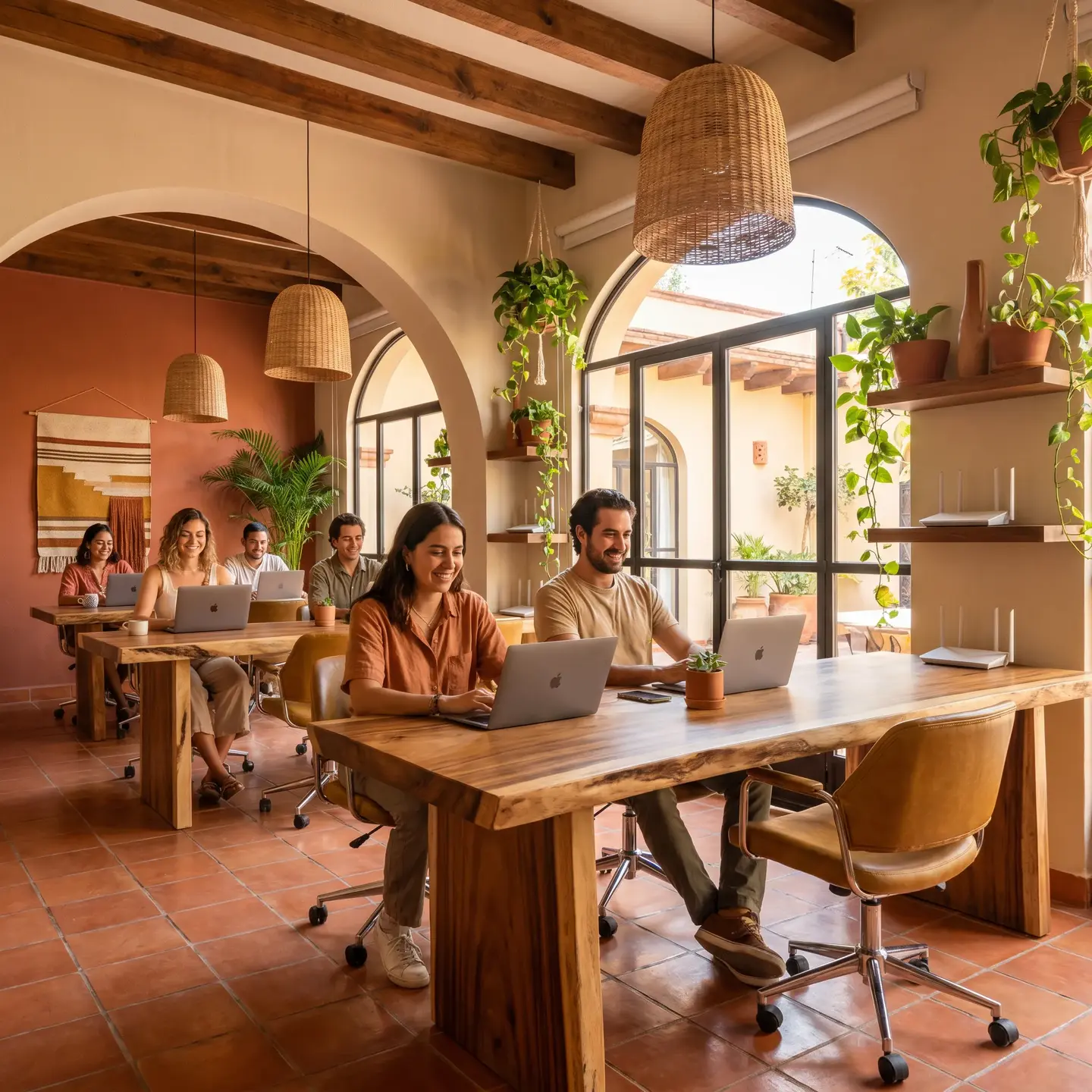
- Coworking and workspaces — This is a big one for digital nomads. A proper coworking space with fast, reliable wifi (we’re talking 1GB fiber, not café-level speeds) and comfortable desks makes a huge difference when you’re trying to meet deadlines.
- Community and social events — From group dinners and salsa nights to city tours and bar crawls, coliving spaces often organize community and social activities so you don’t have to figure out how to meet people on your own.
- Utilities and services — Wifi, electricity, water, cleaning, and sometimes even coffee are usually included in the price, so there are no surprise bills or negotiations with landlords.
How Is Coliving Different From a Hostel?
This is probably the most common question we hear, especially from travelers who’ve stayed in hostels before and wonder if coliving is just a rebranded version.
The short answer: not quite. Here’s how they differ:
Workspace Infrastructure
Hostels are built for travelers passing through — they prioritize beds and social areas, not dedicated workspaces. If you’ve ever tried to take a video call from a hostel common room while someone makes pasta behind you and a group plays cards at the next table, you know the struggle. Coliving spaces are designed with remote work in mind, offering quiet areas, proper desks, and business-grade internet.
Community Focus
Hostels have a rotating cast of guests staying one or two nights. Coliving attracts people staying for weeks or months, which creates deeper connections and a more stable community. You’re not just sharing a bunk bed — you’re sharing a life rhythm with people who are also balancing work, exploration, and adventure.
Longer-Stay Orientation
While hostels cater to short-term backpackers, coliving spaces often offer weekly or monthly rates that make extended stays affordable. If you’re planning to spend a month or three working from Mexico, coliving makes far more financial and practical sense than booking hostel beds night by night.
More Privacy
Even budget coliving spaces typically offer more privacy than a traditional hostel dorm. Many have private rooms with locking doors, personal storage, and ensuite bathrooms — so you can retreat to your own space when you need to recharge.
Who Is Coliving For?
Coliving isn’t for everyone, and that’s okay. But it tends to be a great fit for:
- Digital nomads and remote workers who need reliable wifi and a proper workspace but don’t want to spend all day alone in an apartment
- Solo travelers who want a built-in social life without having to work hard to meet people
- Long-term travelers staying in one place for a few weeks to a few months and looking for a comfortable, affordable base
- Couples who want community and convenience without the isolation of a private rental
- Anyone escaping the loneliness of nomad life — because let’s be honest, working from beautiful places loses its shine when you’re eating dinner alone every night
On the flip side, coliving probably isn’t ideal if you want complete solitude, need total silence at all hours, or prefer not to interact with anyone. There’s a social element built into the experience, and that’s kind of the point.
Why Coliving Is Booming Right Now
The concept of communal living isn’t new — humans have lived in shared spaces for most of history, from extended family compounds to artist communes to co-op housing. But the modern “coliving” movement started gaining traction around 2016, and it exploded alongside the remote work revolution.
A few factors are driving this growth:
- Remote work becoming mainstream — Millions of people can now work from anywhere, and they’re looking for accommodation that supports that lifestyle.
- Rising housing costs — In expensive cities, coliving offers a more affordable way to access quality housing without signing a long lease.
- The loneliness epidemic — More people are acknowledging that isolation is a real problem, and coliving offers a built-in antidote.
- The desire for flexibility — Traditional 12-month leases don’t work for people who want to move between cities or countries every few months.
Mexico has become one of the hottest destinations for this movement. Cities like Guadalajara and Oaxaca offer incredible culture, affordable living costs, vibrant food scenes, and growing communities of remote workers — making them ideal places for coliving to thrive.
What to Look for When Choosing a Coliving Space
Not all coliving spaces are created equal. Here’s what we’d suggest looking for:
Wifi Speed and Reliability
If you’re working remotely, this is non-negotiable. Look for spaces that advertise specific speeds (like 1GB fiber) rather than vague “fast wifi” claims. Bonus points if they have backup connections.
Workspace Quality
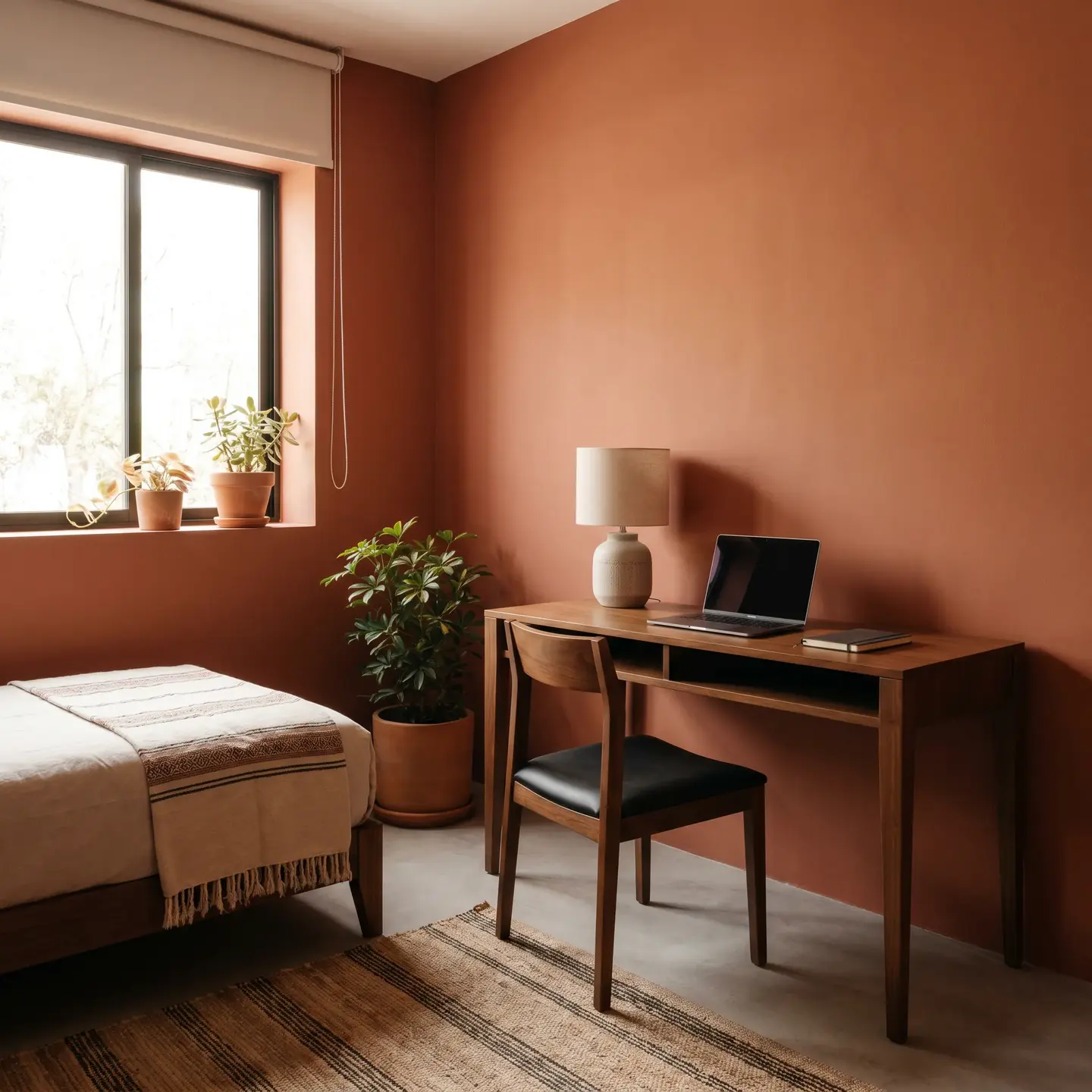
Is there a dedicated coworking area, or are you expected to work from the kitchen table? Are there quiet zones for calls and focused work? Some coliving spaces even offer in-room desks if you prefer working privately.
Community Vibe
Read reviews and look at the events calendar. Is this a party-focused place or a work-focused one? Is there a mix of social activities, or is it more of a quiet residential setup? Make sure the vibe matches what you’re looking for.
Room Options
Do they offer private rooms, shared rooms, or both? What about ensuite bathrooms? Think about how much privacy you need and what fits your budget.
Location
Is the space in a walkable neighborhood with cafés, restaurants, and things to do? Or is it in a quiet residential area far from the action? Both can be great depending on your preferences.
Pricing and Flexibility
Look for transparent pricing that includes utilities and wifi. Check if they offer weekly or monthly rates for longer stays, and whether there’s flexibility if your plans change.
Is Coliving Right for You?
Here’s a quick self-assessment:
Coliving might be perfect for you if:
- You’re tired of working alone in Airbnbs or cafés
- You want to meet people without having to manufacture social opportunities
- You need reliable wifi and a proper workspace
- You’re staying somewhere for more than a few nights
- You value community but also want your own private space to retreat to
Coliving might not be for you if:
- You prefer complete solitude and minimal interaction
- You need absolute silence at all times
- You’re uncomfortable with shared kitchens or common areas
- You’re only staying one or two nights (a regular hostel or hotel might be simpler)
Experience Coliving in Mexico
If you’re curious about what coliving actually looks and feels like, we’d love to show you. At Leveli Coliving, we run spaces in Guadalajara’s Colonia Americana neighborhood and Oaxaca’s Centro Histórico — both designed around the principles we’ve outlined here: community, comfort, and adventure.
Our guests get private rooms (many with in-room workspaces), shared dorm options for those on tighter budgets, a coworking space with 1GB fiber wifi, communal kitchens and lounges, and a calendar packed with social activities — from salsa nights and group dinners to tequila tours and lucha libre outings.

Whether you’re planning a month-long work sprint in Guadalajara or want to explore Oaxaca’s food scene with a built-in group of friends, coliving offers a way to experience Mexico that’s richer, more connected, and a lot more fun than going it alone.
The concept is simple: show up, settle into your room, open your laptop, and let the community happen around you. No awkward hostel small talk required — just genuine connections with people who are navigating the same nomadic, adventurous, work-from-anywhere life you are.
That’s coliving. And once you try it, you might never want to travel any other way.
Frequently Asked Questions
How is coliving different from hostels, Airbnbs, or hotels when we’re working remotely?
When you’re trying to balance work and travel, traditional options often miss the mark. Hostels can be fun but noisy and short-term. Airbnbs are private but isolating, especially if you don’t know anyone in town. Hotels are comfy but transactional and pricey for longer stays. Coliving sits in the sweet spot: you get a private room, real workspaces with fast wifi, and a built-in community, so you’re not taking Zoom calls from a crowded kitchen or eating solo every night.
What do we actually get when we book a coliving space in places like Guadalajara or Oaxaca?
In most coliving spaces (including ours in Guadalajara and Oaxaca), you can expect a private room or a shared dorm option, access to well-equipped kitchens, cozy lounges, rooftops or gardens, and proper coworking areas with reliable, high-speed wifi. Utilities, cleaning, and often coffee are included, so you’re not chasing landlords or surprise bills. Plus, there’s usually a calendar of community events—think salsa nights, food tours, and group dinners—so you can plug into local life without planning everything yourself.
Is coliving a good fit if we’re feeling lonely or burned out from solo nomad life?
If you’re tired of eating alone, working from random cafés, or constantly starting from zero socially in each new city, coliving can be a game changer. You still have your own space to recharge, but you’re surrounded by people who get the remote work, travel, and “figuring it out as we go” lifestyle. Shared kitchens, coworking areas, and house events make it easy to connect without forced small talk, turning places like Guadalajara and Oaxaca into welcoming home bases instead of just another stop.
What should we look for to avoid a coliving space that’s all hype and no comfort?
To dodge disappointment, we always suggest checking a few essentials. Ask about specific wifi speeds, not just “fast internet.” Look at photos of workspaces—are there real desks and quiet zones, or just a kitchen table? Read reviews to understand the vibe: more party or more productivity? Confirm room types and bathroom setups so privacy fits your needs. Finally, check if pricing includes utilities and cleaning, and whether there are weekly or monthly rates that make longer stays in cities like Guadalajara and Oaxaca practical.
How do we know if coliving is truly right for our travel and work style?
We like to think about it this way: coliving is perfect if you want a mix of independence and community. If you’re planning to stay more than a few nights, need reliable wifi and a real workspace, and crave people to explore the city with, it’s a strong match. It might not be ideal if you need total silence, prefer strict solitude, or feel uncomfortable sharing kitchens and lounges. But if you’re open to friendly interaction and occasional shared meals, coliving can make life on the road feel a lot more human.